Western Cowboy Boot Hat SVG Review for Real Embroidery Projects
As an experienced embroidery designer and product reviewer, I’ve evaluated countless digital designs over the years. When it comes to machine embroidery files like Western Cowboy Boot Hat SVG, there's more to consider than just how cool they look on screen. They need to perform well in real-world stitching scenarios—whether you're creating a personalized gift or scaling up for a commercial project. Let’s take a closer look at this design from a practical perspective.
First Impressions: A Bold Western Statement
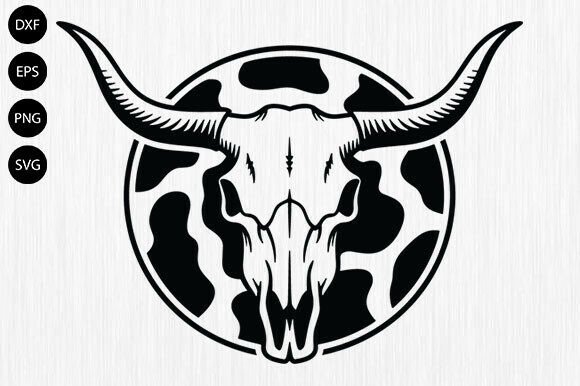
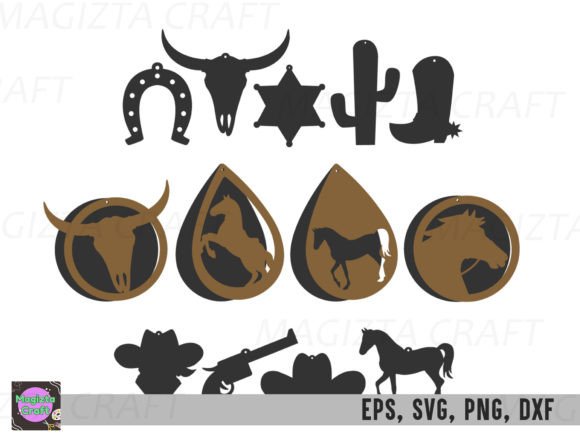
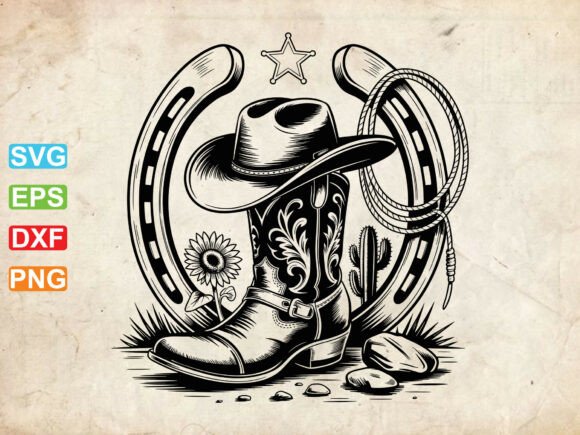
The Western Cowboy Boot Hat SVG immediately stands out with its strong visual personality. It captures the rugged charm of the Wild West, blending elements of cowboy boots and a classic hat into a cohesive graphic. The layout is balanced yet dynamic, with enough detail to convey authenticity without overwhelming the eye. This design isn’t just decorative—it tells a story. That kind of narrative can elevate your handmade products or craft business offerings by giving them a sense of character and purpose.
From a design standpoint, the shape and symmetry suggest it could work well as a standalone motif or be paired with other western-themed elements like ropes, horses, or cacti. The clean lines make it feel modern while still respecting traditional western aesthetics. It has that perfect blend of nostalgia and trendiness that many crafters are looking for when designing custom apparel or accessories.
Real-World Applications: Where This Design Shines
I recently considered using the Western Cowboy Boot Hat SVG for a custom embroidered sweatshirt order. The client wanted something bold and representative of their rodeo-themed boutique. After testing it on a sample piece of medium-weight cotton, I was impressed by how well it translated from screen to fabric.
- Tote bag design: The design’s size and complexity worked beautifully on a 14x10 hoop, making it ideal for a large tote. The satin stitch outlines gave it a polished finish, and the fill areas were dense enough to hold up after multiple washes.
- Sweatshirt embroidery: On a thicker fleece fabric, the stabilizer really helped maintain clarity in the corners and edges of the boots and hat. The stitch density settings suggested by the file were a good starting point, but I found adjusting them slightly improved the final appearance.
- Embroidered patch: For those thinking about selling embroidered patches, this design holds up well when resized. It keeps its integrity even at smaller dimensions, though some fine details may soften depending on the fabric texture.
- Baby clothes: While not inherently baby-friendly, with the right thread colors and simplified stitch types (like running stitch for certain areas), this design could become a cute personalized gift for a little one heading off to a family ranch trip.
Commercial Use Considerations
If you’re an Etsy seller or run a small shop, this design adds instant value to your handmade product lineup. Its unique theme fits well within niche markets such as western wear, country events, or themed weddings. However, always confirm licensing before offering it in digital format or selling finished items. As it stands, the listing says it's for personal use unless otherwise specified, so if you're planning to scale, check the terms carefully.
For craft business owners, the embroidery file works great as part of a larger set of design assets. Pairing it with matching western-style text or background elements can help create a cohesive brand identity across your inventory—think small shop product labels, aprons, or even nursery decor with a rustic twist.
Where to Use With Caution
While the Western Cowboy Boot Hat SVG is versatile, there are situations where it might not deliver optimal results. Here are a few considerations based on my experience:
- Small hoop sizes: If you plan to use this on a tiny surface like a cap or baby onesie, resizing will require careful attention. Some intricate parts may get lost or distort if scaled too much.
- Textured or stretchy fabrics: This design relies on precise stitch placement. Stretchy materials like knits or denim with high elasticity can cause slight misalignment unless proper stabilizers are used.
- Dark fabric backgrounds: The default thread color palette includes several light tones. If you're embroidering on black or dark denim, you may want to switch to white or metallic threads for better visibility.
- Curved surfaces: Applying the design to curved areas like caps or sleeves requires hooping techniques that accommodate the curvature without distorting the image. You might need to break the design into sections or adjust the stitch compensation settings.
- Frequent washing: For items like tea towels or pillow covers that see heavy use, ensure the design uses durable stitches and quality thread. Dense areas should be tested for puckering or fraying over time.
Design Notes for Optimal Stitching Results
Before jumping into a production run or client project, here are some tips I follow to ensure the best outcome with any machine embroidery design:
- Test on scrap fabric first: Especially important for textured or stretchy materials. Observe how the stitch density interacts with the fabric.
- Review thread color contrast: If the original thread colors don't pop on your chosen fabric, experiment with alternatives. Sometimes a simple switch from pastel to bold makes all the difference.
- Inspect small details: Zoom in on the SVG and check for intricate parts like boot tassels or hat brims. These areas may require extra care in stitch type selection to avoid gaps or distortion.
- Confirm hoop size: Though not listed in the product description, it’s crucial to know what hoop your machine supports and whether the design will fit comfortably within it.
- Use proper stabilizer: Especially for lightweight or stretchy materials. Tear-away alone may not be enough; cut-away or wash-away stabilizers can help preserve stitch integrity.
- Check whether it works for both personal and commercial projects: Ensure the design aligns with your intended audience and that you have the necessary rights to sell finished goods.
Mockups and Digital Previews
As a digital product seller, I also appreciate how this SVG looks in printable mockups. It gives potential buyers a clear idea of how the design would appear on different items. Whether you're showcasing it on a holiday gift or a custom embroidered patch, the preview helps build customer trust and reduces returns due to unmet expectations.
Visual Appeal and Brand Consistency
What sets the Western Cowboy Boot Hat SVG apart is its ability to enhance the visual appeal of nearly any project. The combination of the boot and hat feels like a signature emblem—something that can become a recognizable element of your brand or boutique. For handmade shop owners, this level of distinctiveness is key to standing out in a competitive market.
In terms of product value, adding this design can justify a price increase, especially if it's part of a premium line or personalized item. Customers respond positively to thoughtful, thematic designs, and the Rodeo Boots Svg aesthetic taps into a nostalgic, adventurous vibe that resonates with many audiences.
Stitch Clarity and Presentation
One thing I always prioritize is stitch clarity. In this case, the design maintains its definition even after stitching, which is vital for professional-looking finished products. The use of satin stitch around the main shapes ensures crisp edges, while the fill stitch inside provides depth and dimension.
However, keep in mind that the overall visual presentation depends heavily on the execution. If you're new to embroidery, practice with simpler versions of the design or test it on a few samples before committing to a full batch. Attention to detail will make a big difference in the final result.
Final Thoughts: A Solid Addition to Your Embroidery Toolkit
The Western Cowboy Boot Hat SVG is more than just a flashy graphic—it's a design that can add personality and professionalism to a wide range of embroidery projects. From custom apparel to boutique branding, it offers a strong visual anchor that can be adapted to suit various styles and themes.
That said, it's important to approach it with a critical eye. Every fabric behaves differently, and every machine has its quirks. Take the time to understand how the embroidery file interacts with your setup. Test it in different formats—black and white, color variations—and compare it on light and dark backgrounds to find the most appealing application.
Whether you're an embroidery designer, a craft fair vendor, or someone building a small shop product line, this SVG offers a lot of creative potential. Just remember to balance that creativity with practicality. By doing so, you’ll not only create a stunning handmade product but also establish yourself as a reliable and professional creator in the world of Graphics and Crafts.